
CELEBRITIES
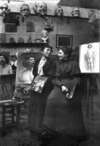
Martha Stettler (right) with Alice Dannenberg (1894)
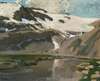
Mountain Landscape by Martha Stettler
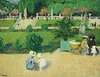
"In the Luxembourg Gardens," by Martha Stettler
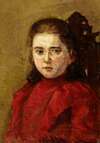
Portrait by Martha Stettler
A story within history...
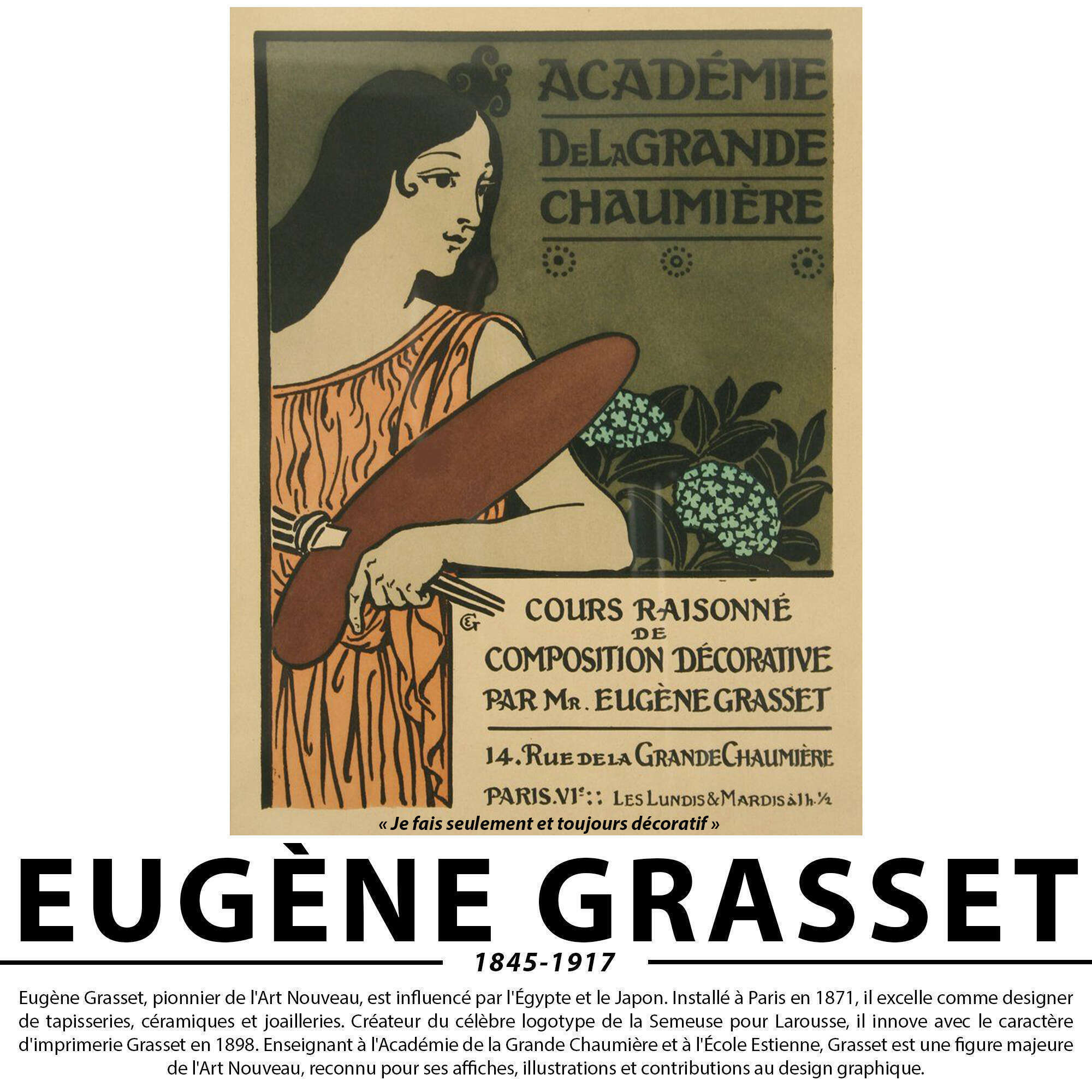
In 1904, Martha Stettler(1870–1945), a Swiss painter, foundedthe Académie de la Grande Chaumière, a studio dedicated to painting and sculpture from live models for women artists in the Montparnasse district. (full biography here)
Back then, the town was just beginning to take shape: life was just getting started, and housing was affordable. There was plenty of room to settle down. For several centuries now, young people have enjoyed spending their leisure time in this rural village, with its many dances and gardens. Following in their footsteps, people from modest backgrounds also came here because they could find work in the many small factories.
The Académie de la Grande Chaumière, which has since become inextricably linked with Montparnasse, was the only institution at the beginning of the 20th century to pave the way forthe Independent Art movement, allowing all forms and techniques to find expression and freeing its visitors and artists from academic trends that were restrictive not only artistically but also intellectually. In a sense, it became a place of resistance and pure creativity.
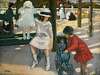
"The Little Mothers," by Martha Stettler (1908)
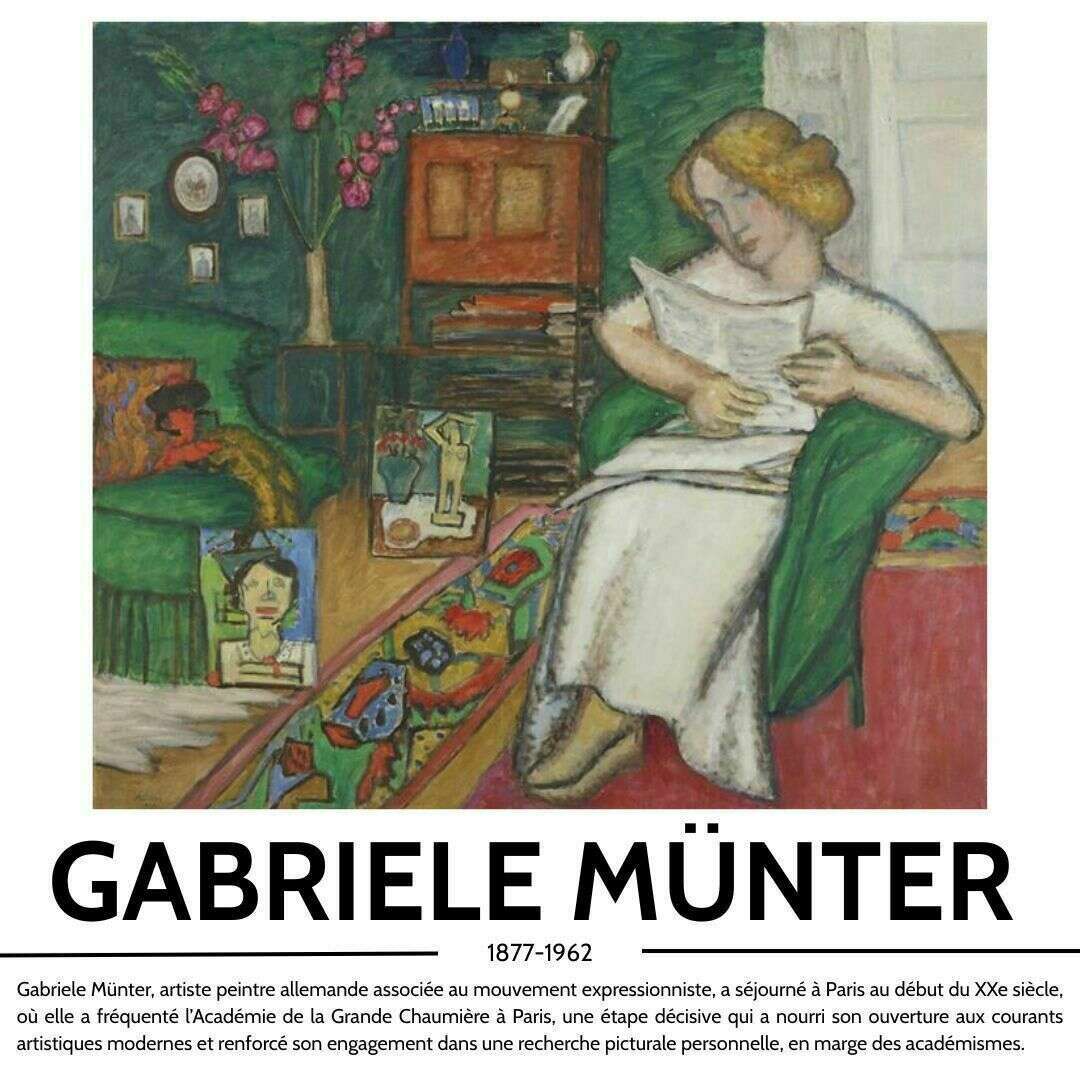
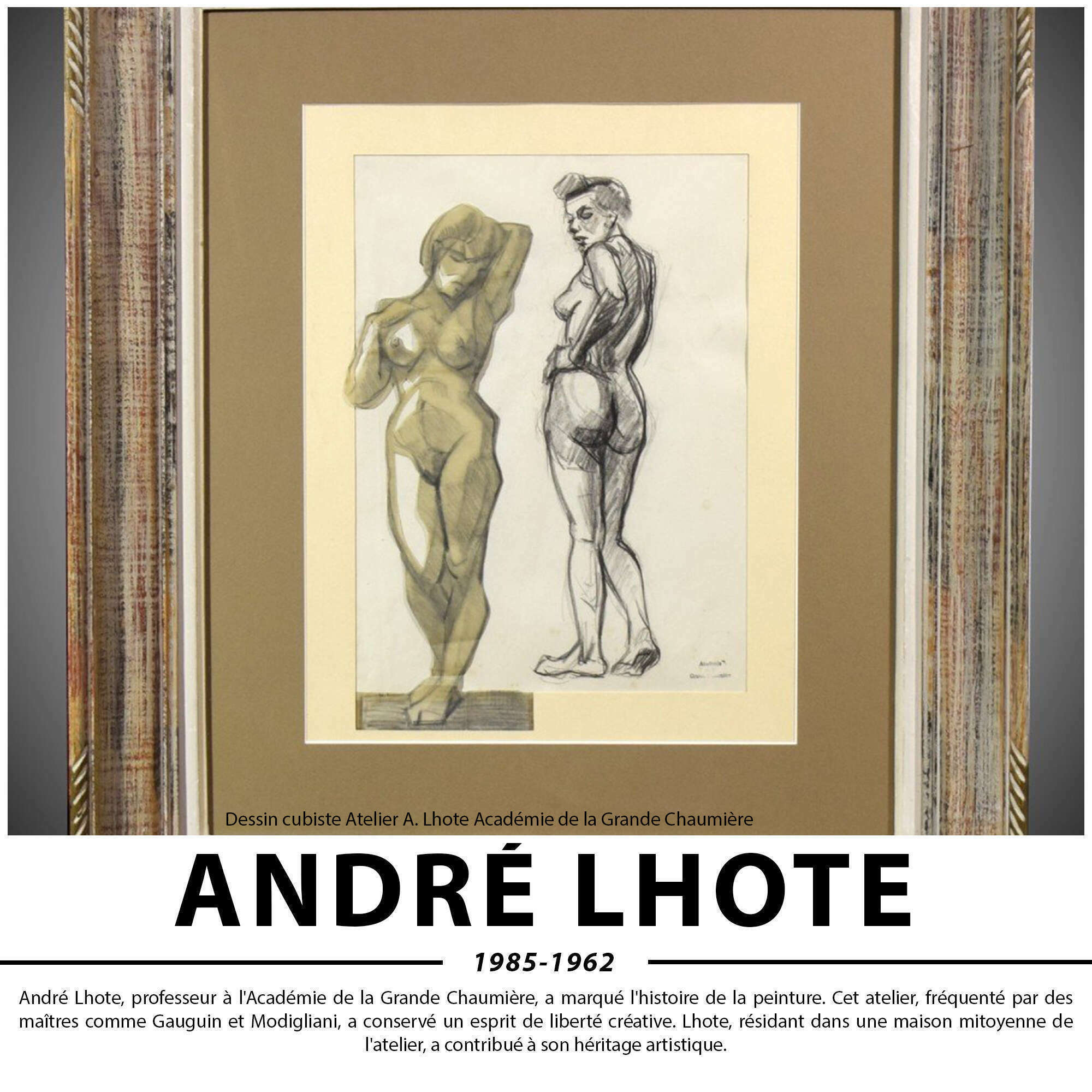
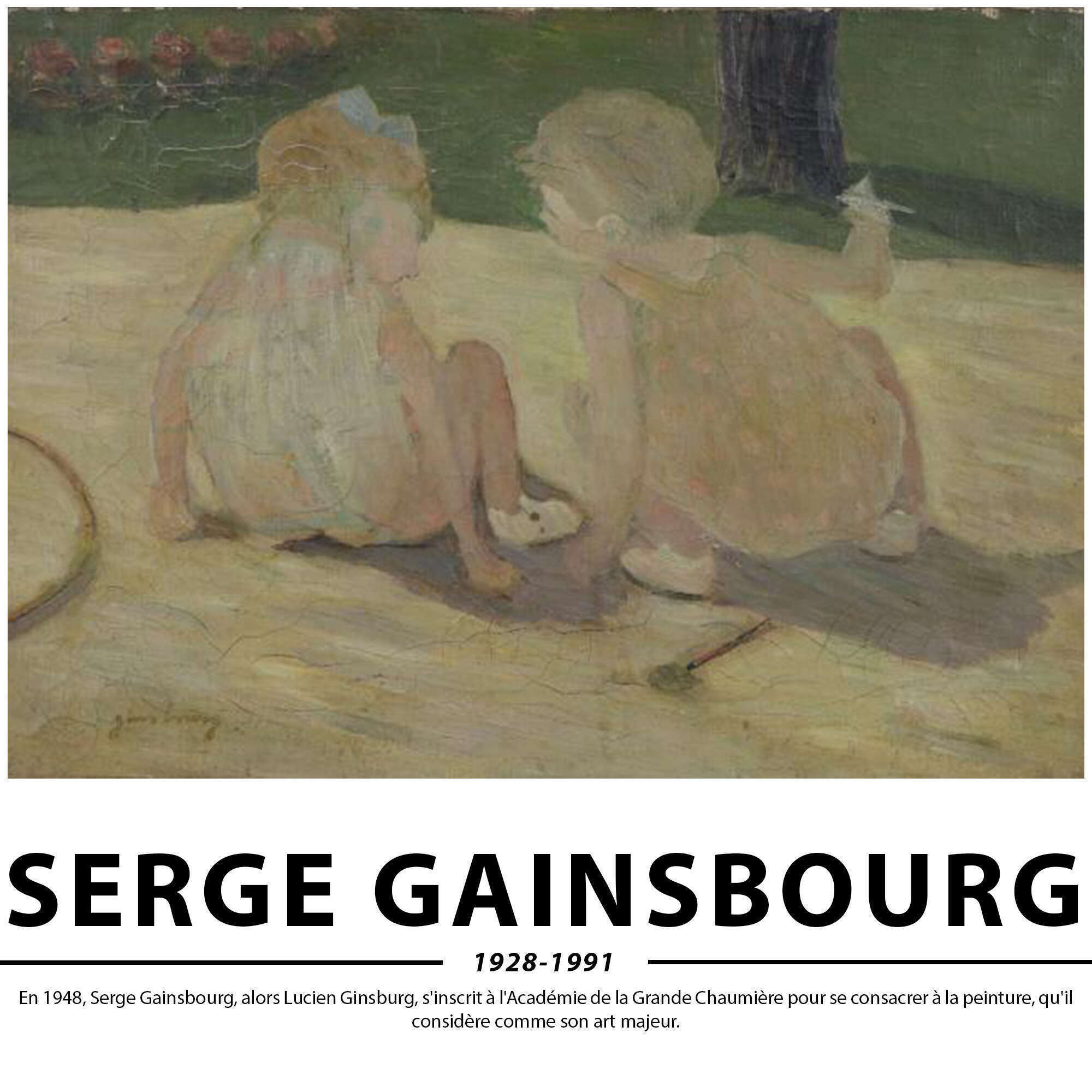
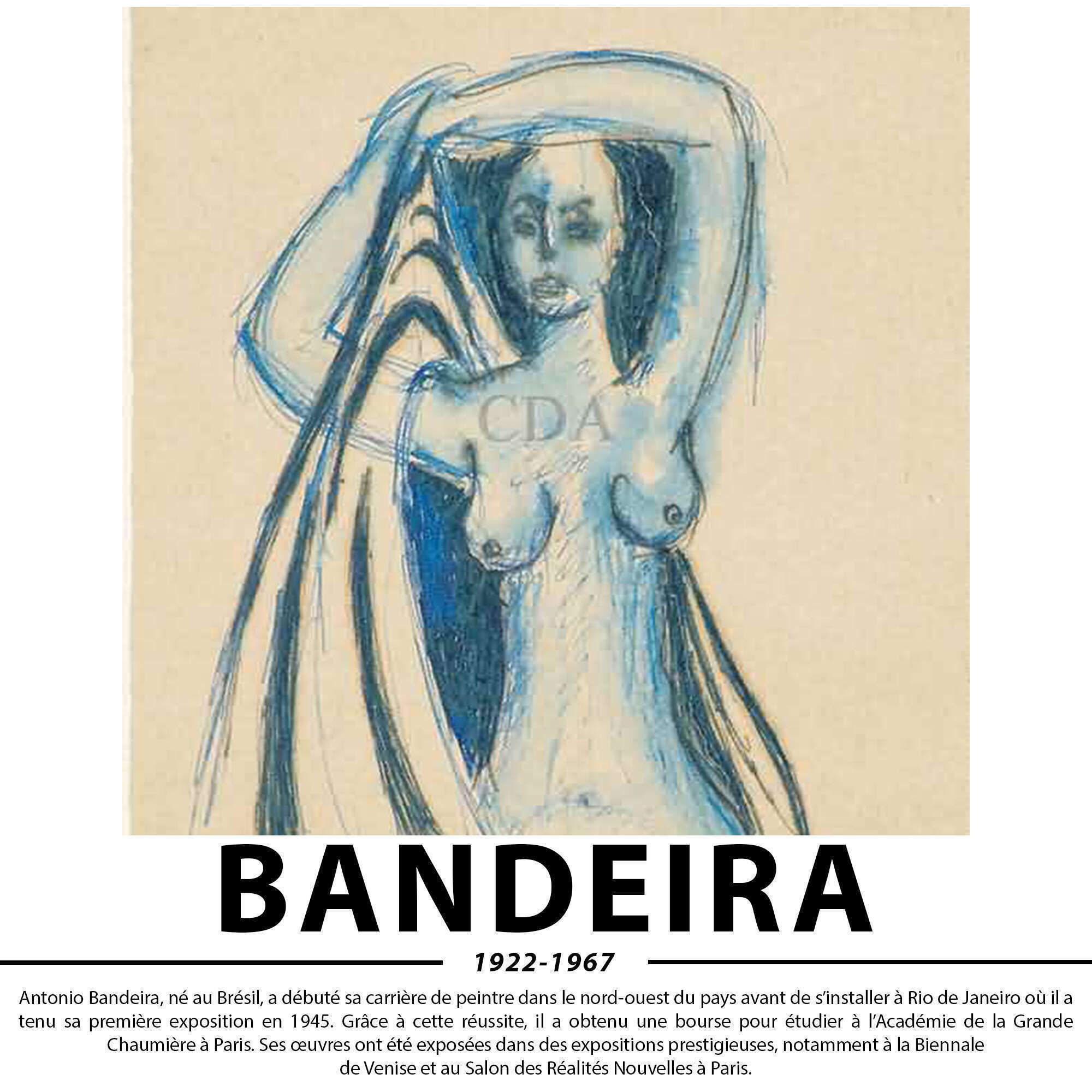
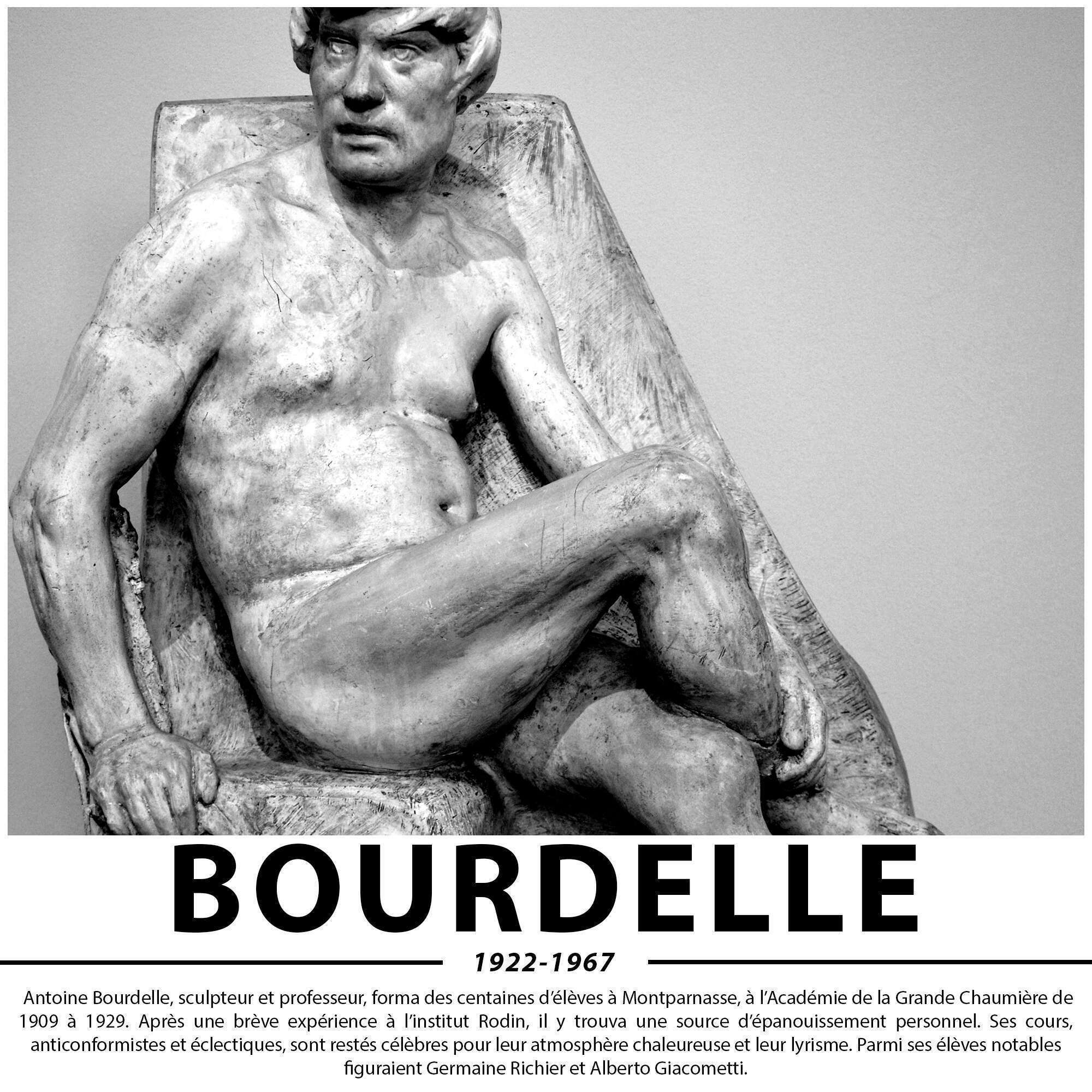
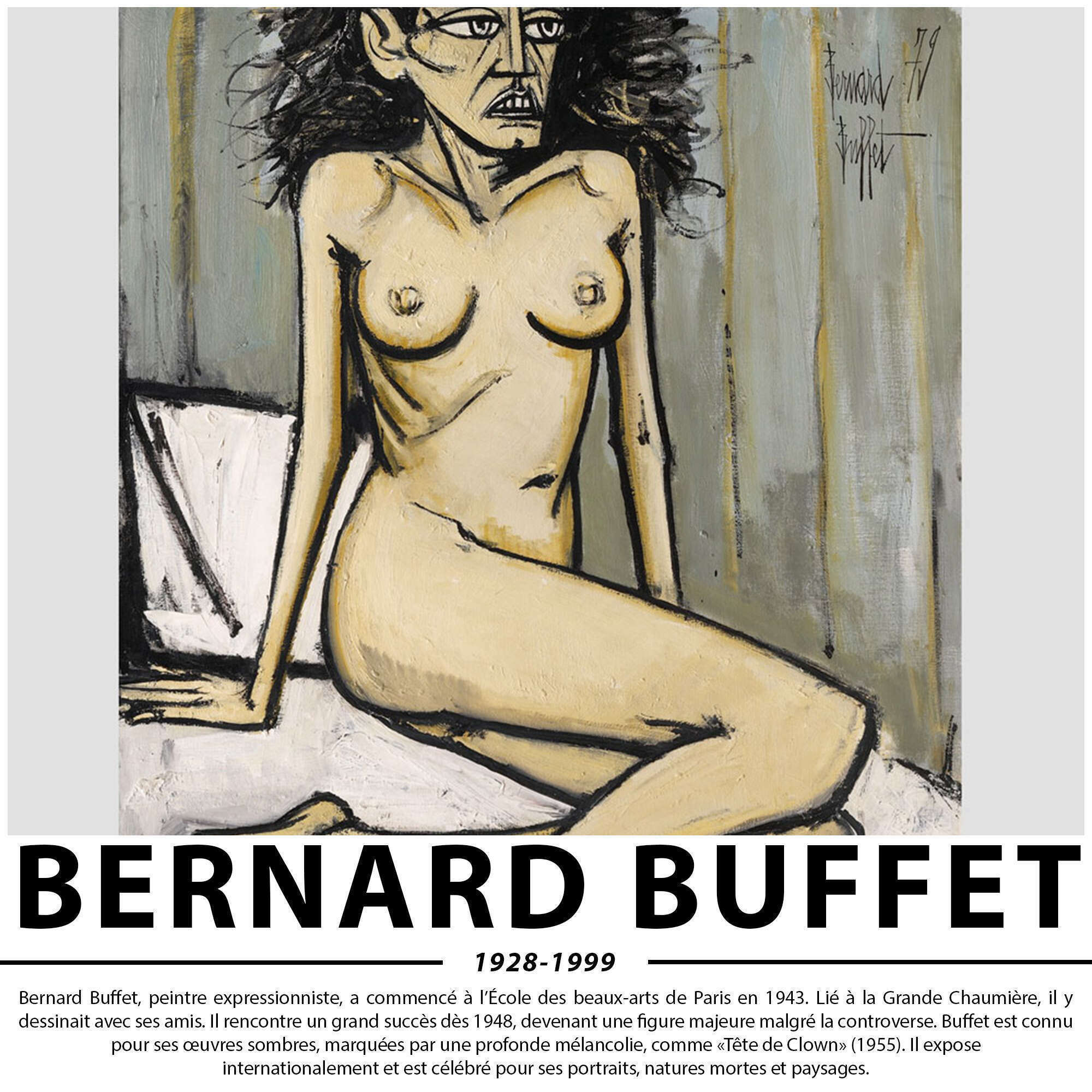
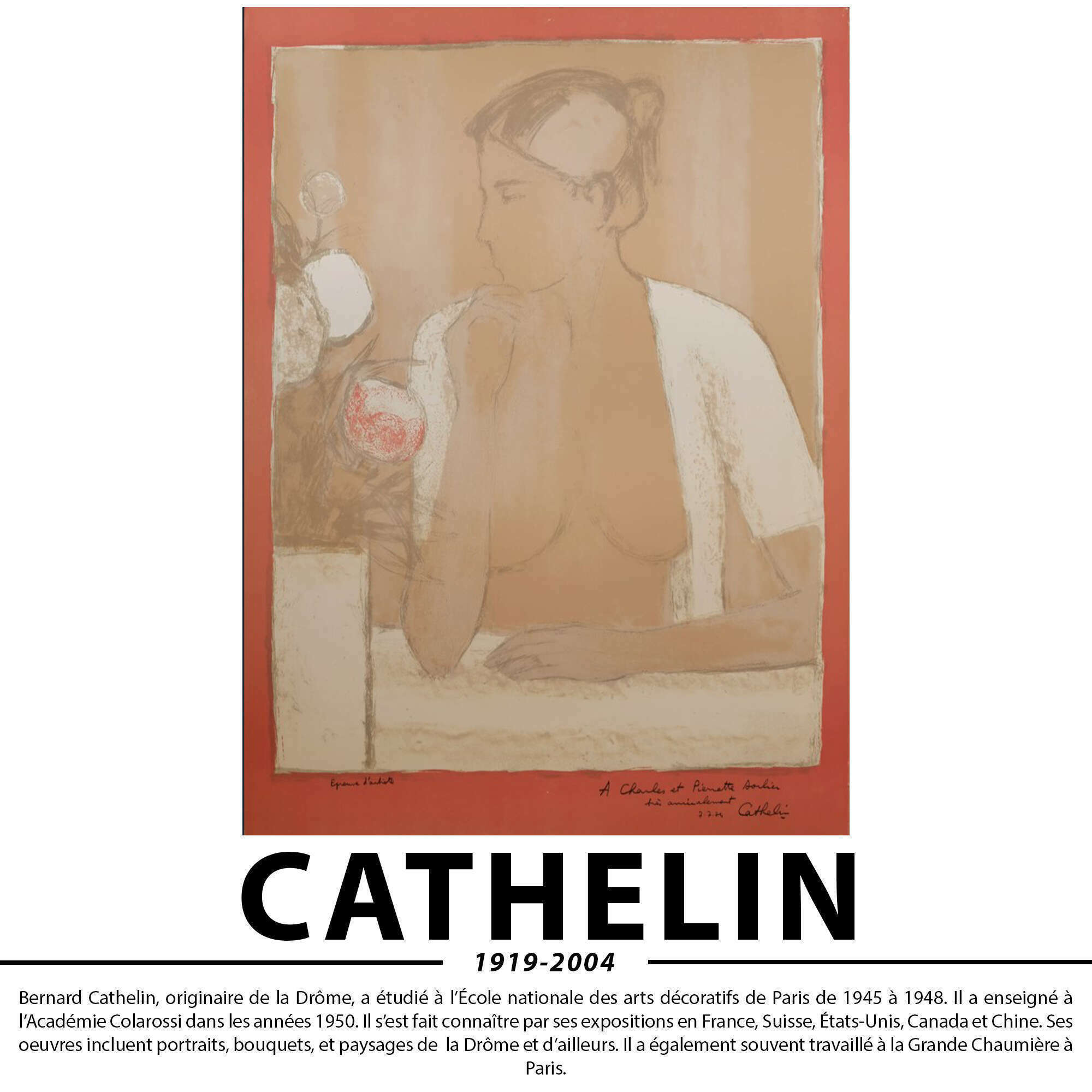
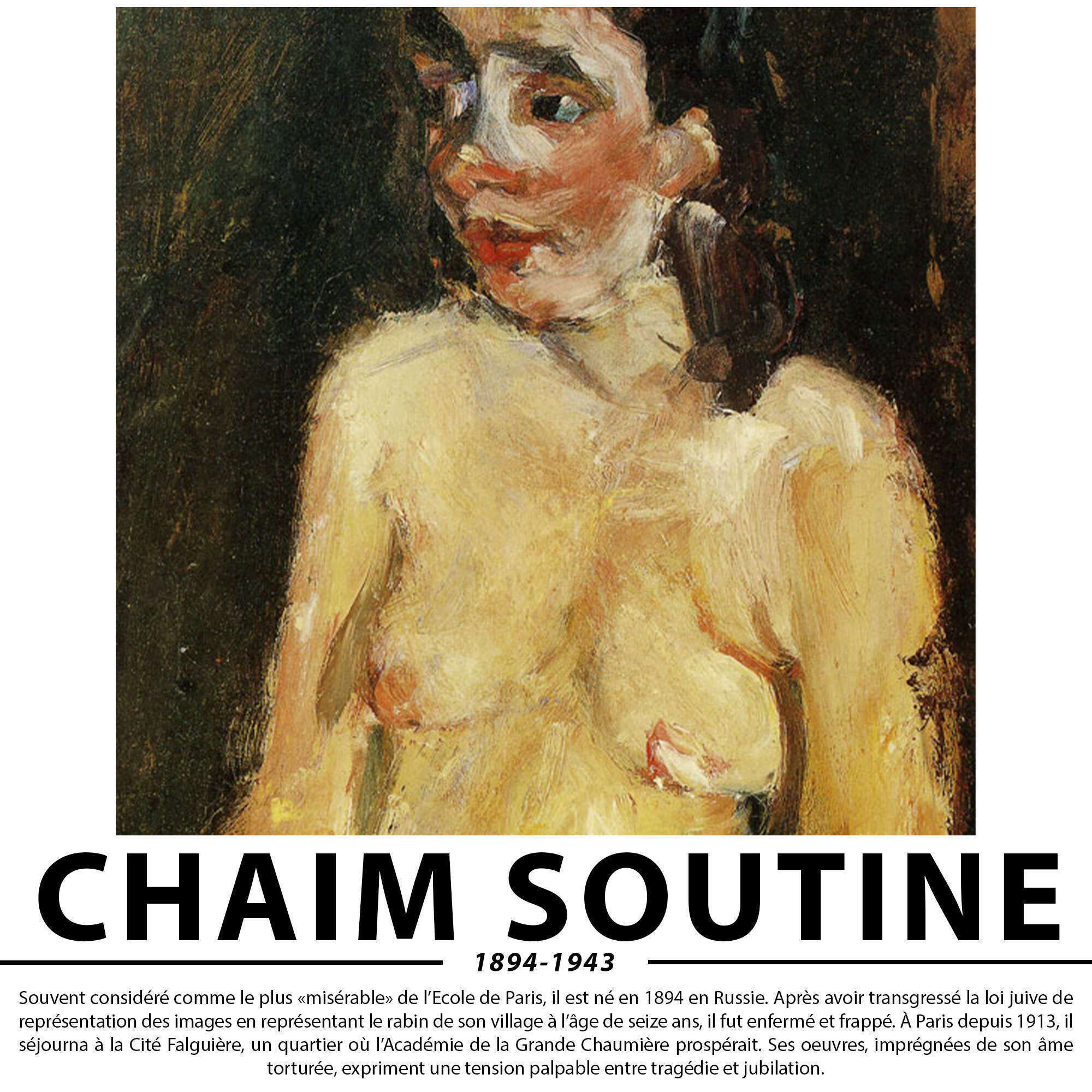
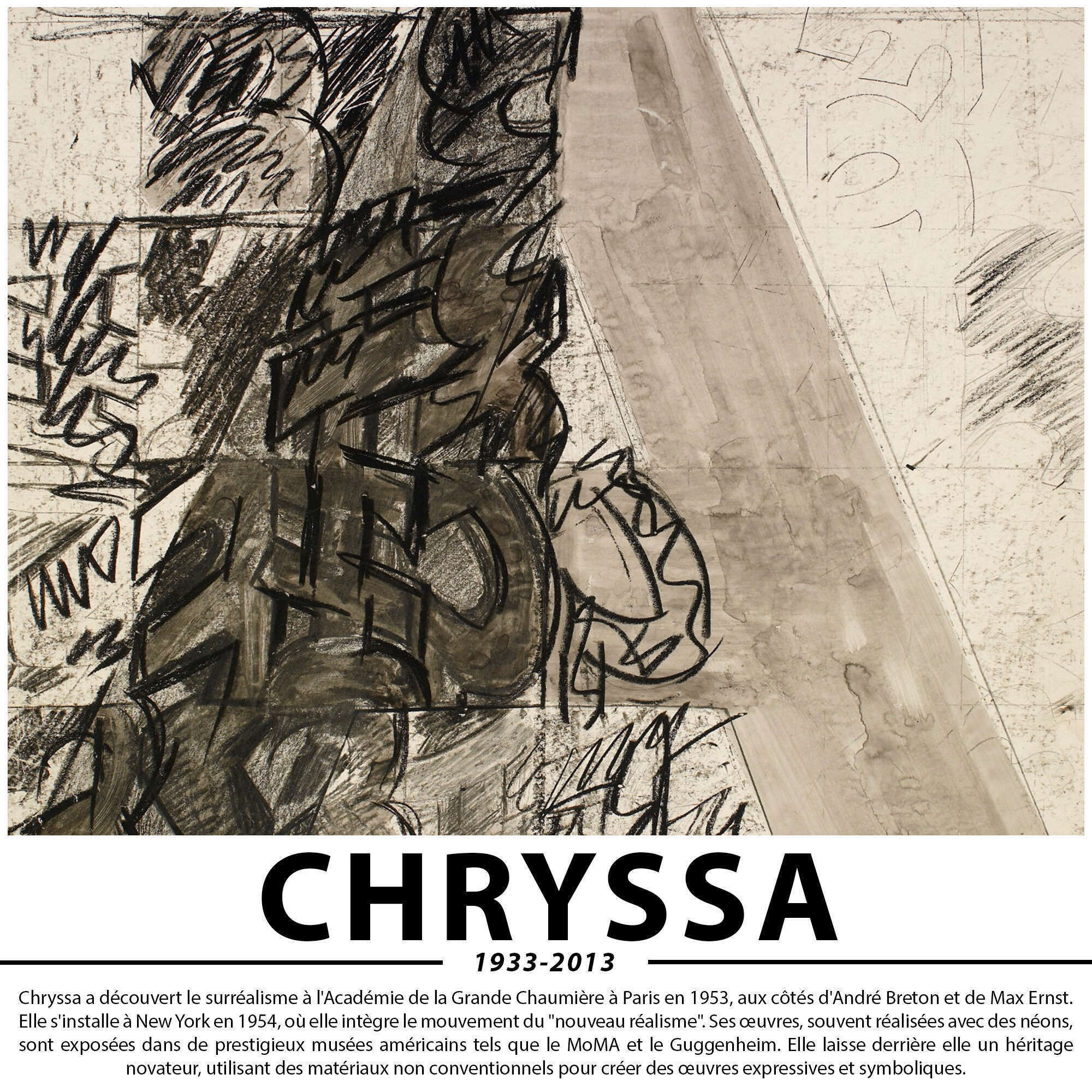
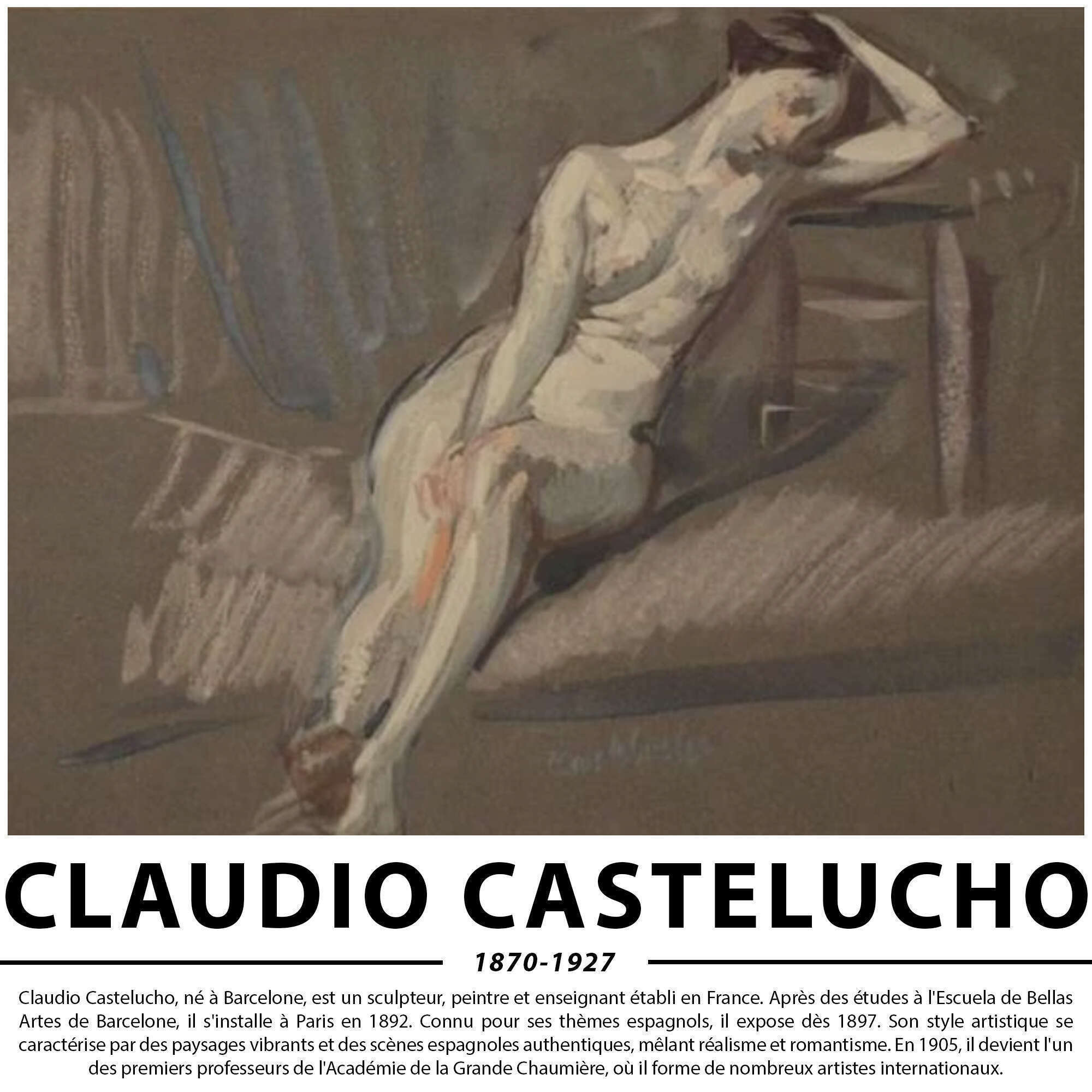
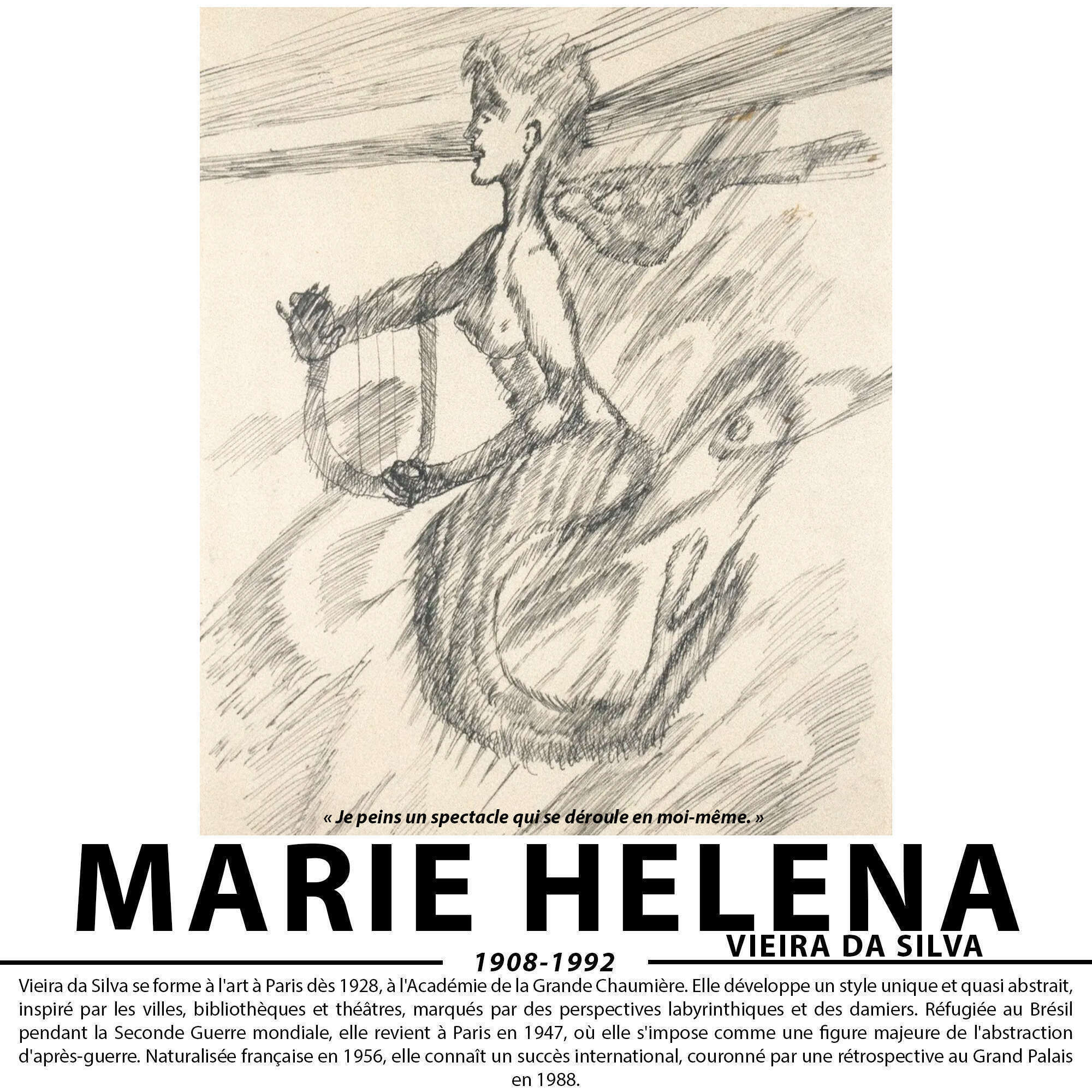
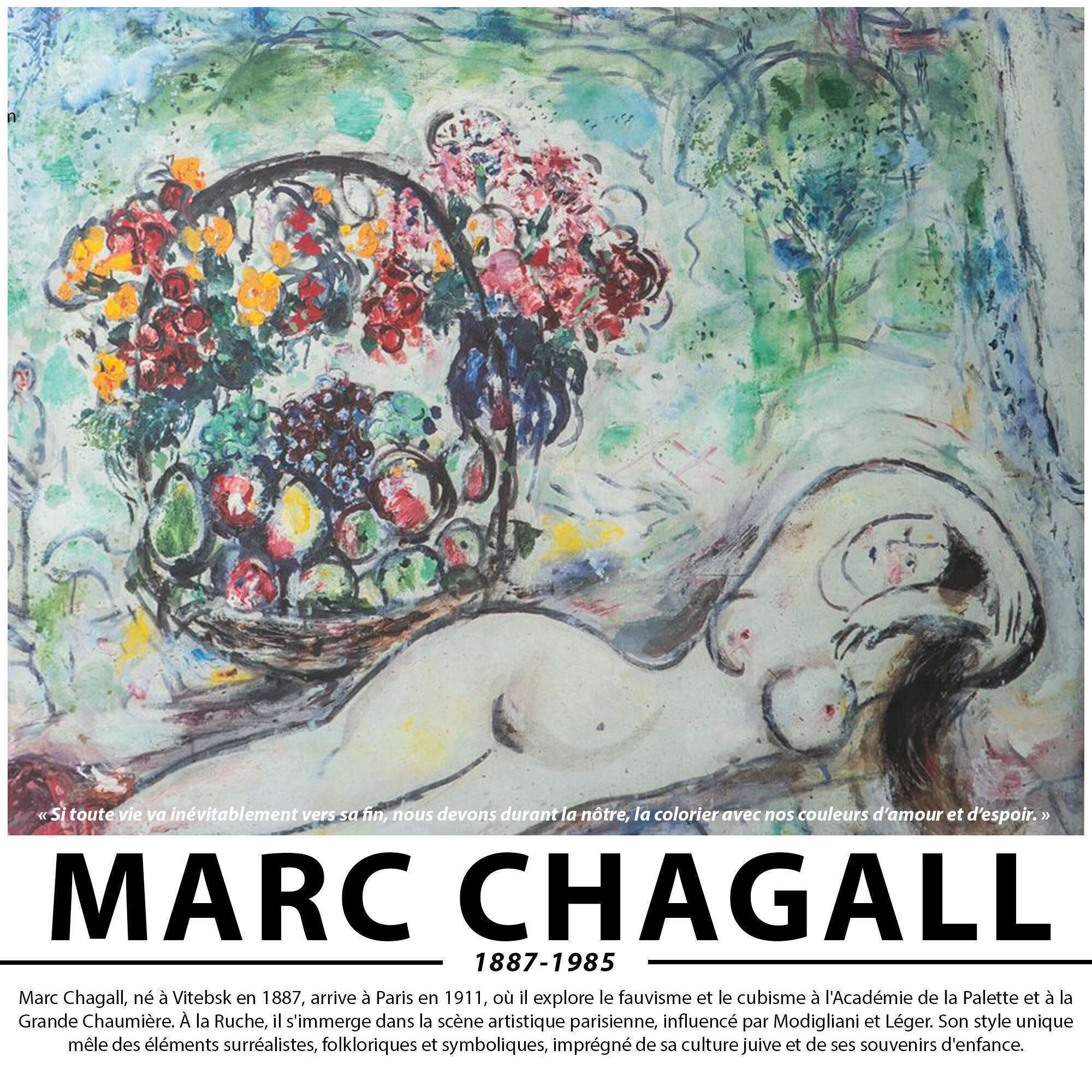
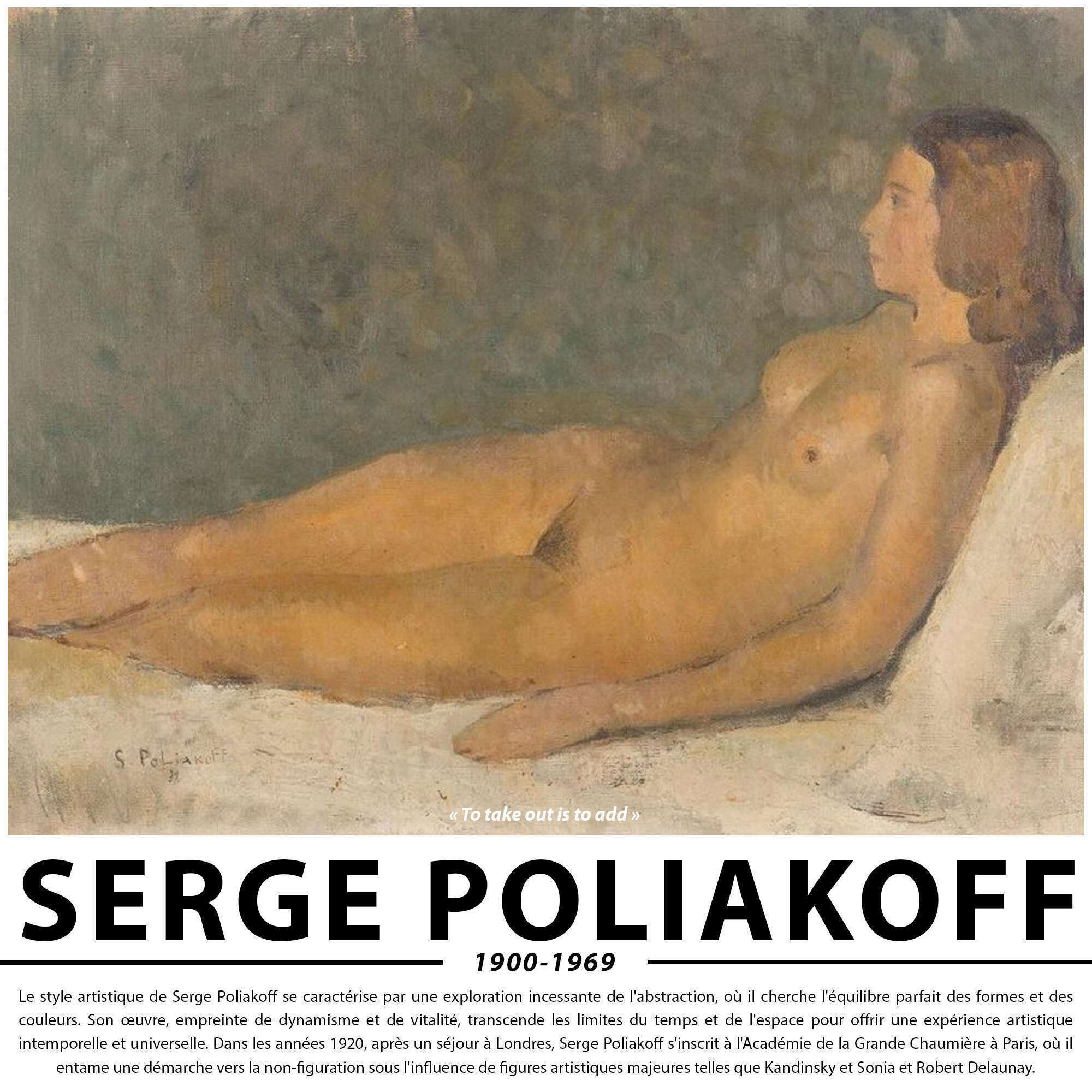
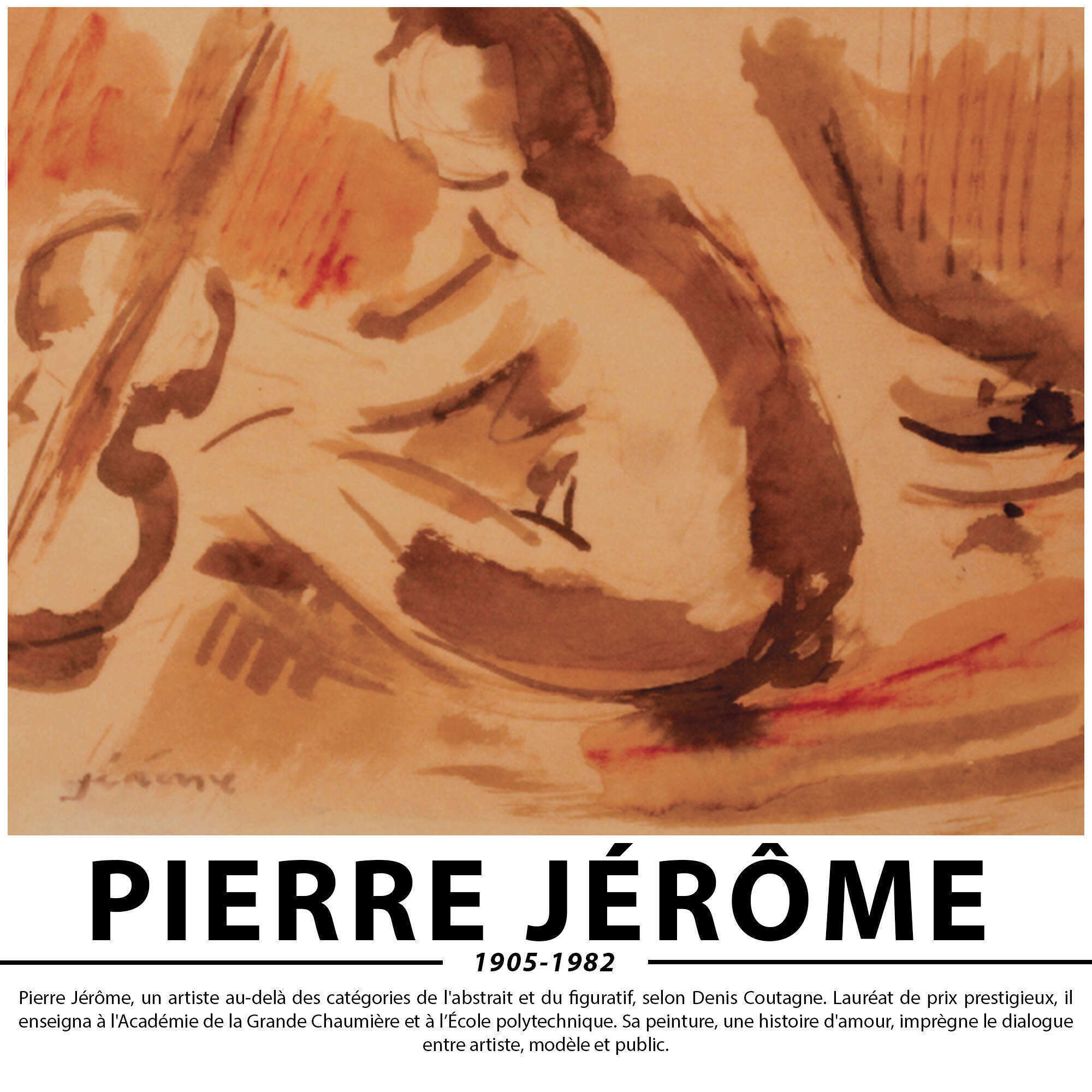
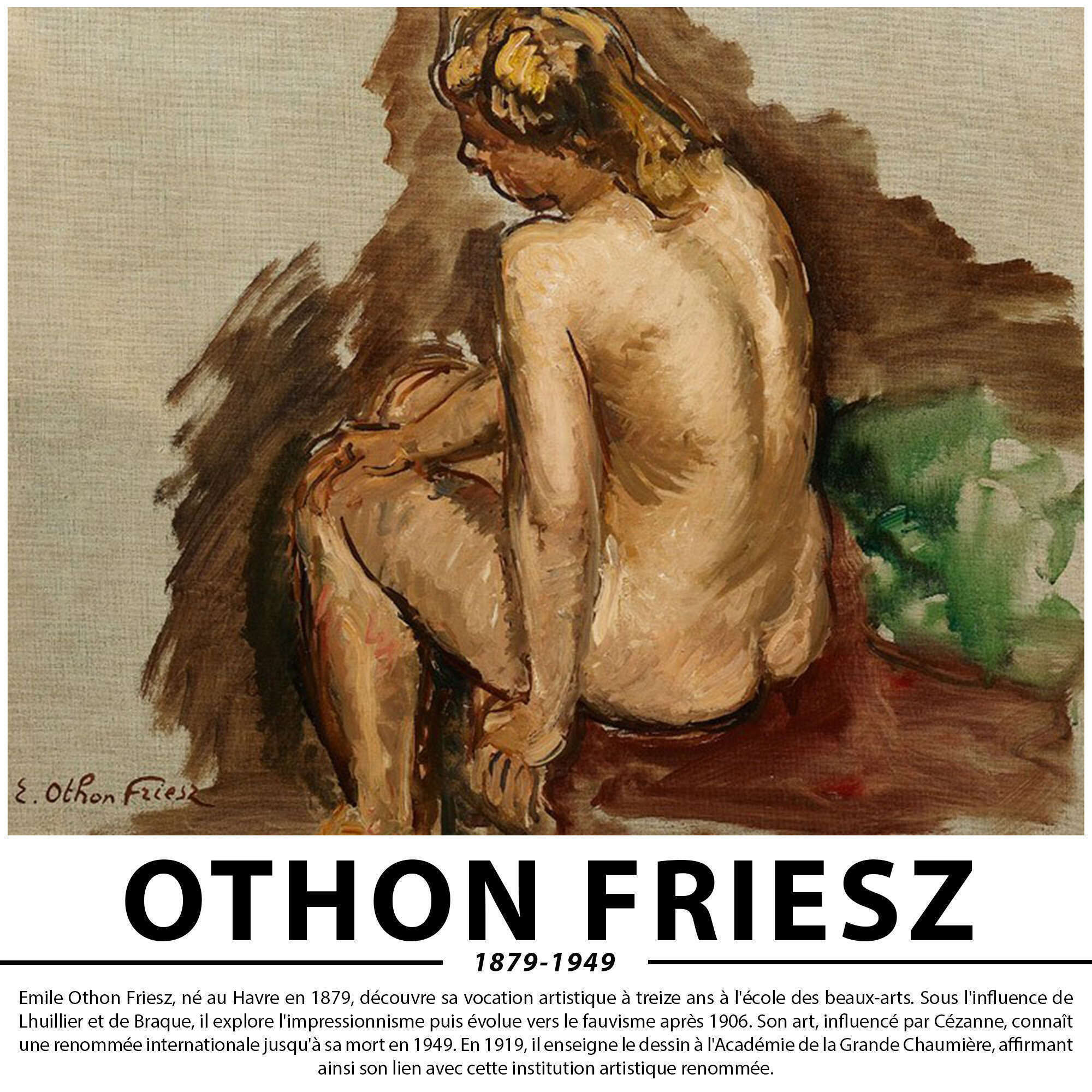
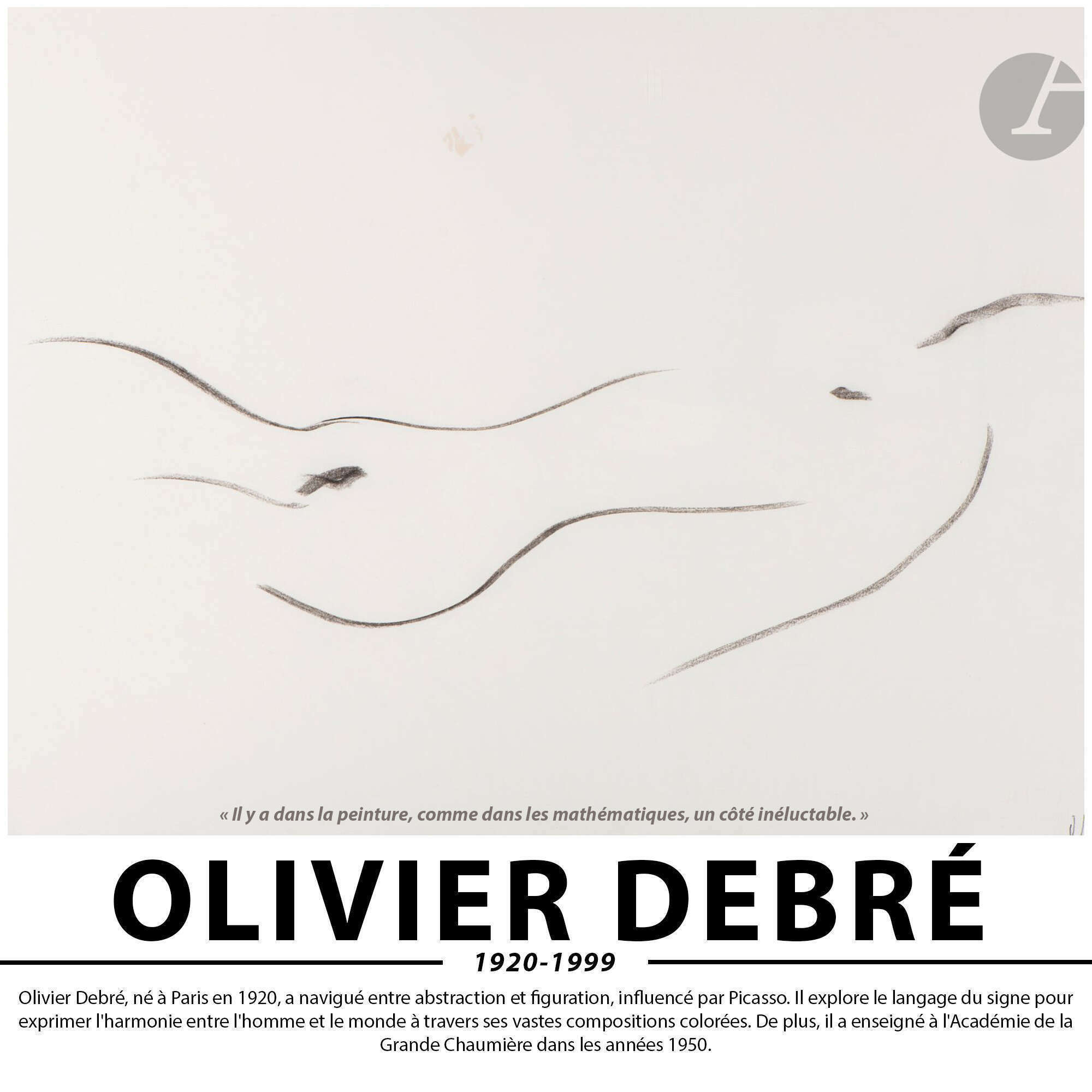
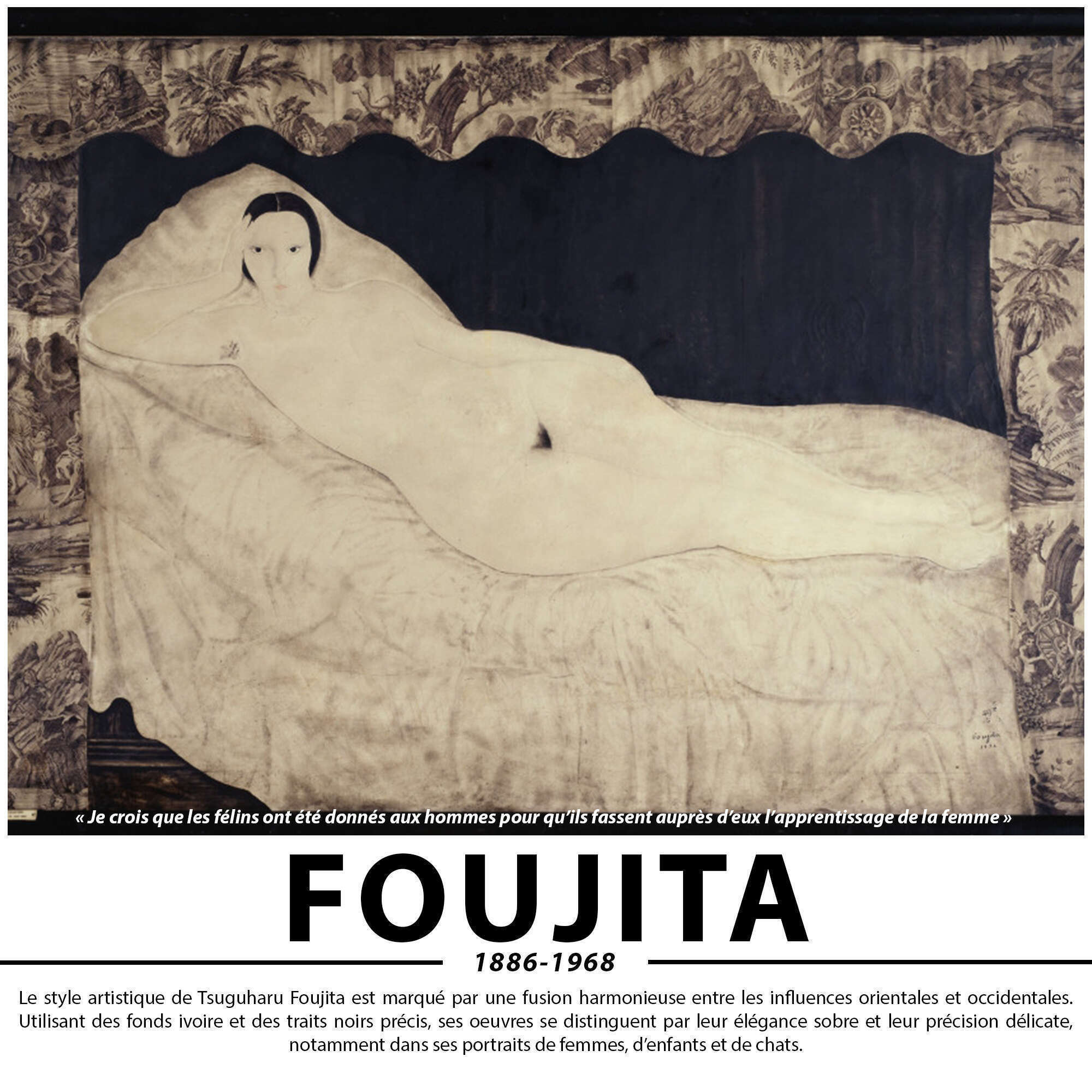
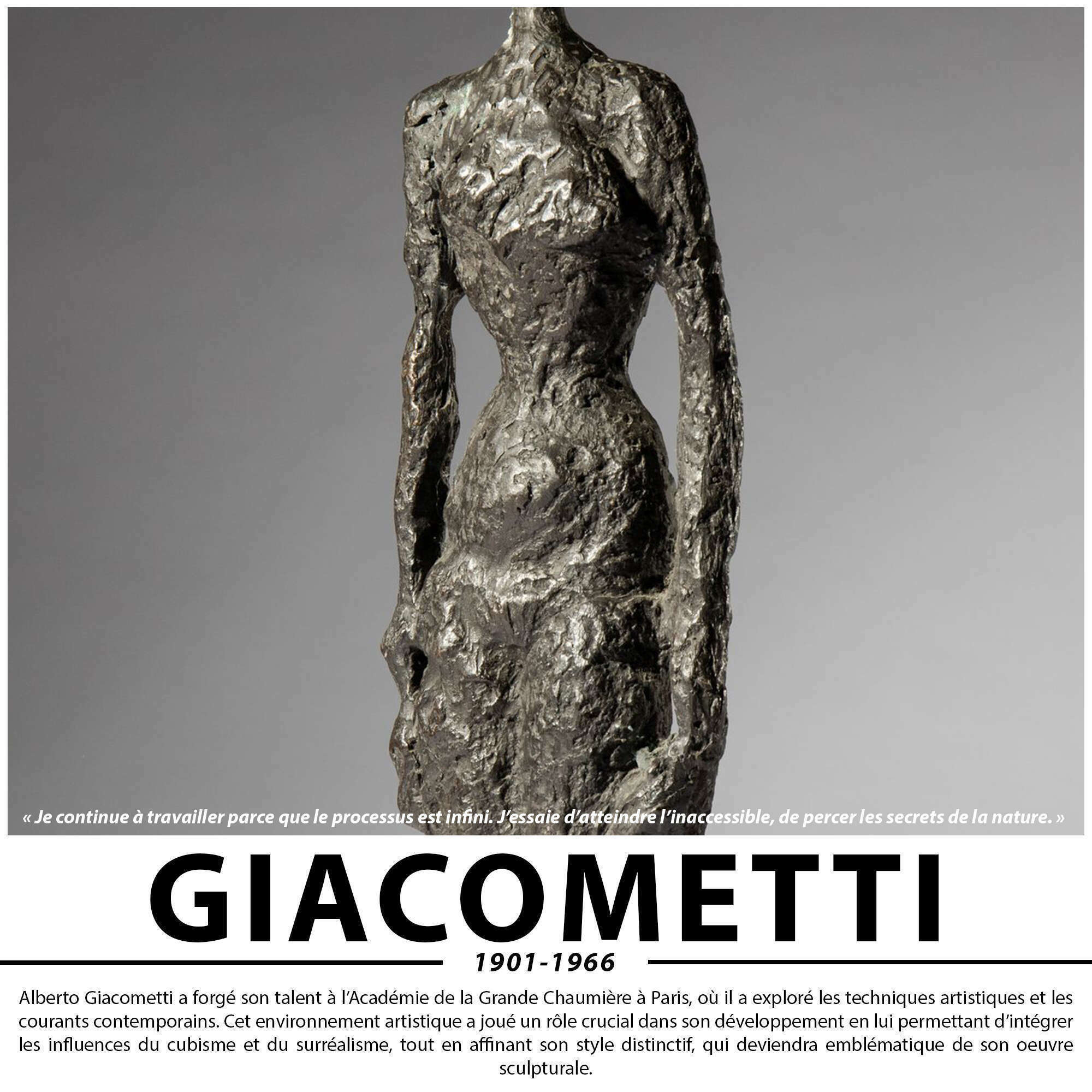
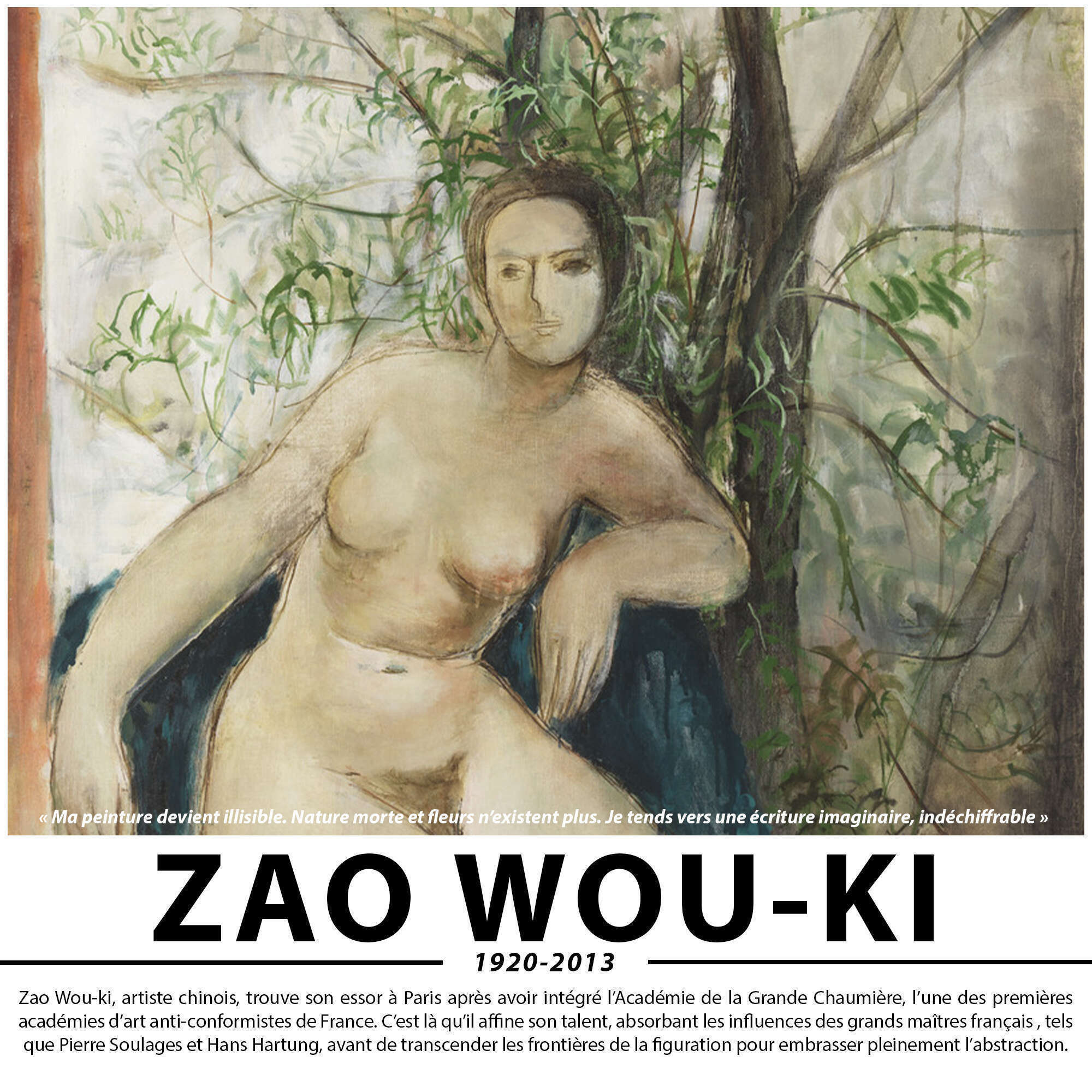
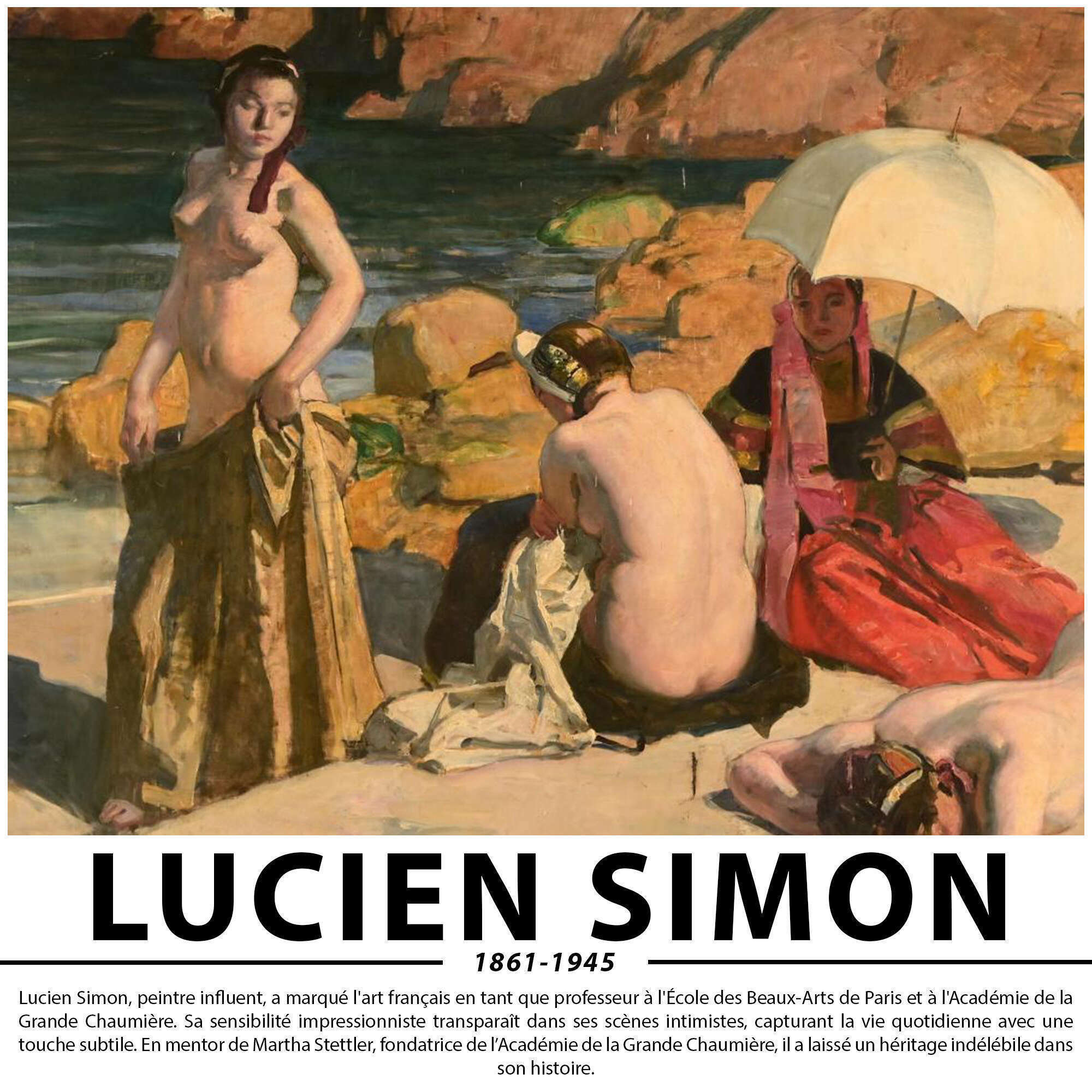
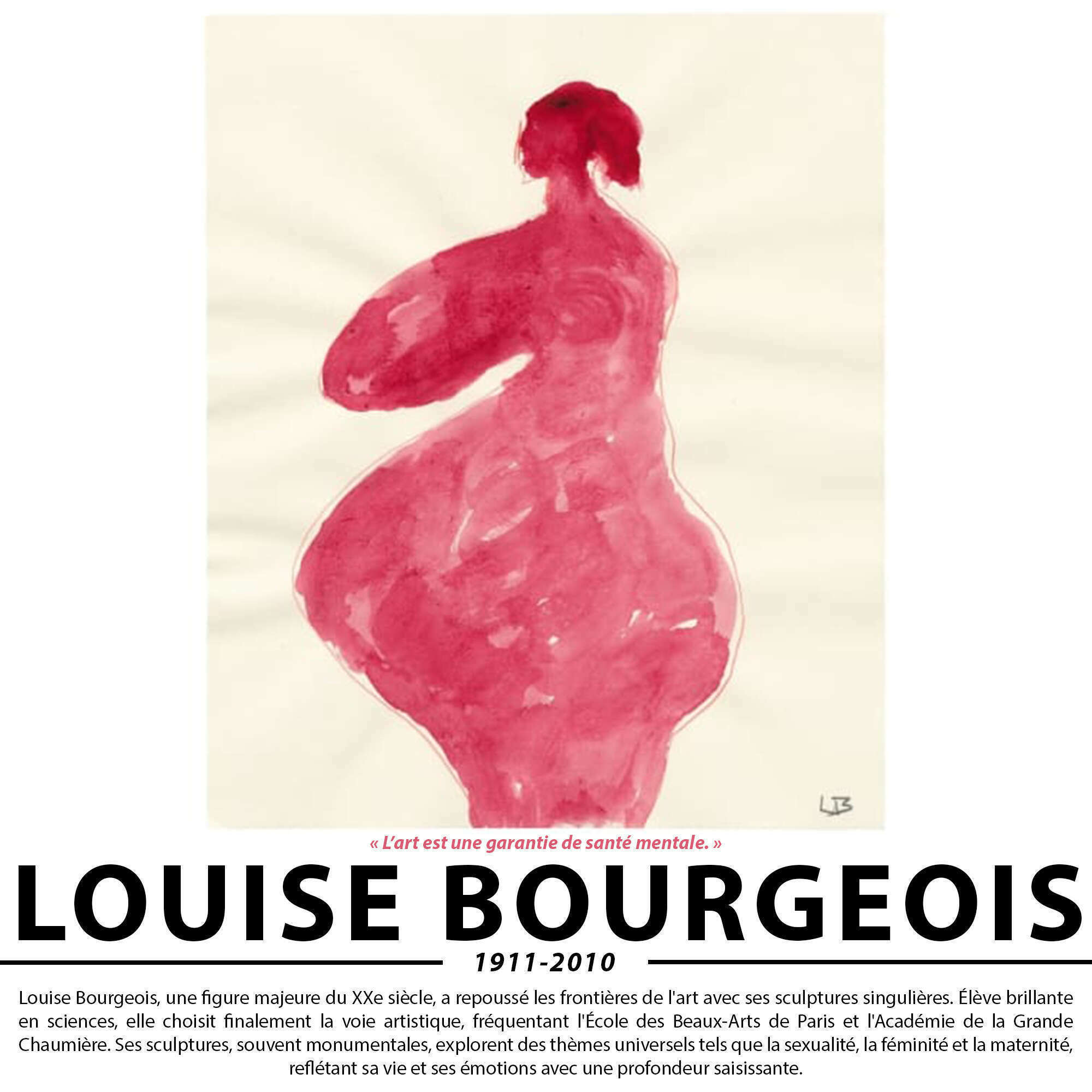
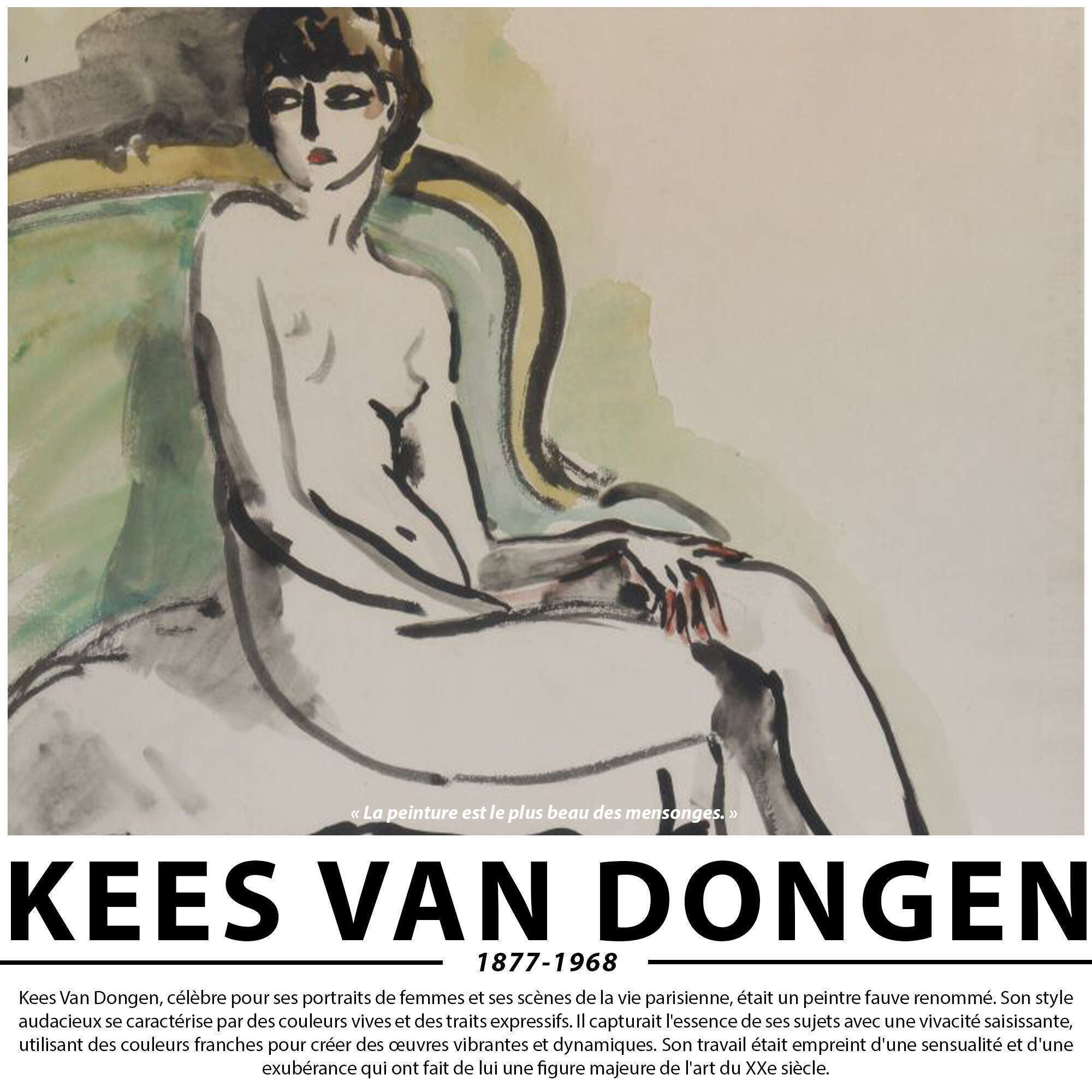
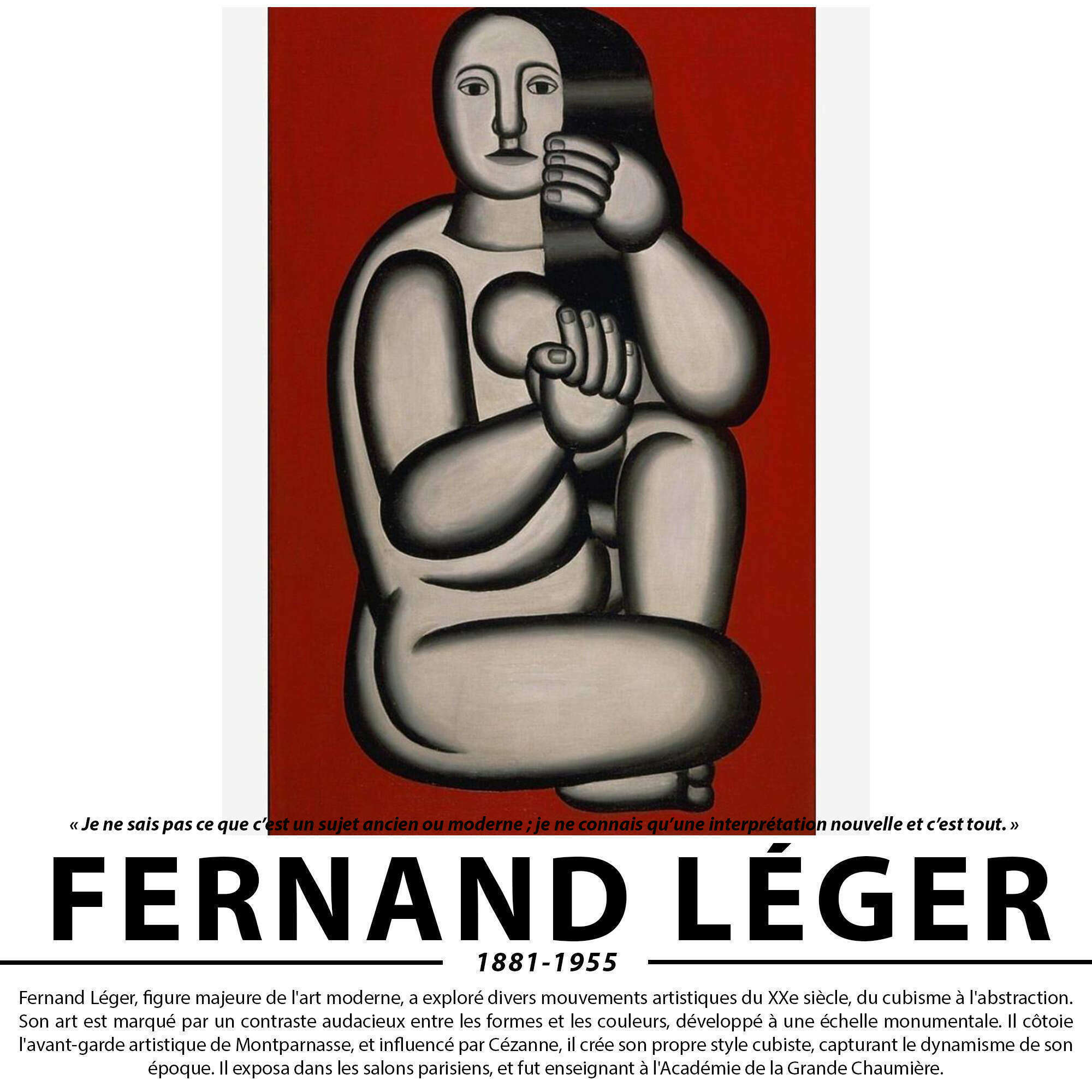
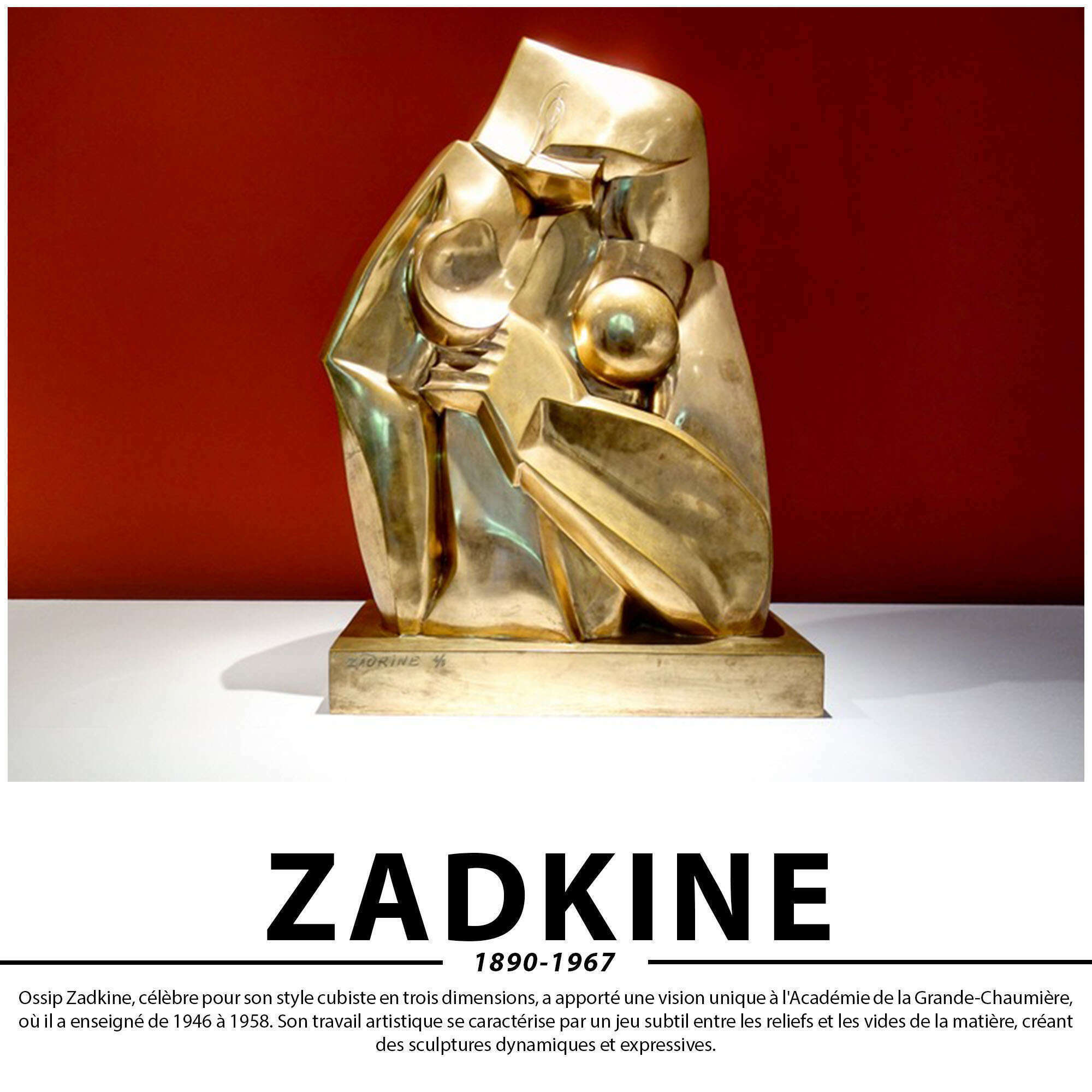
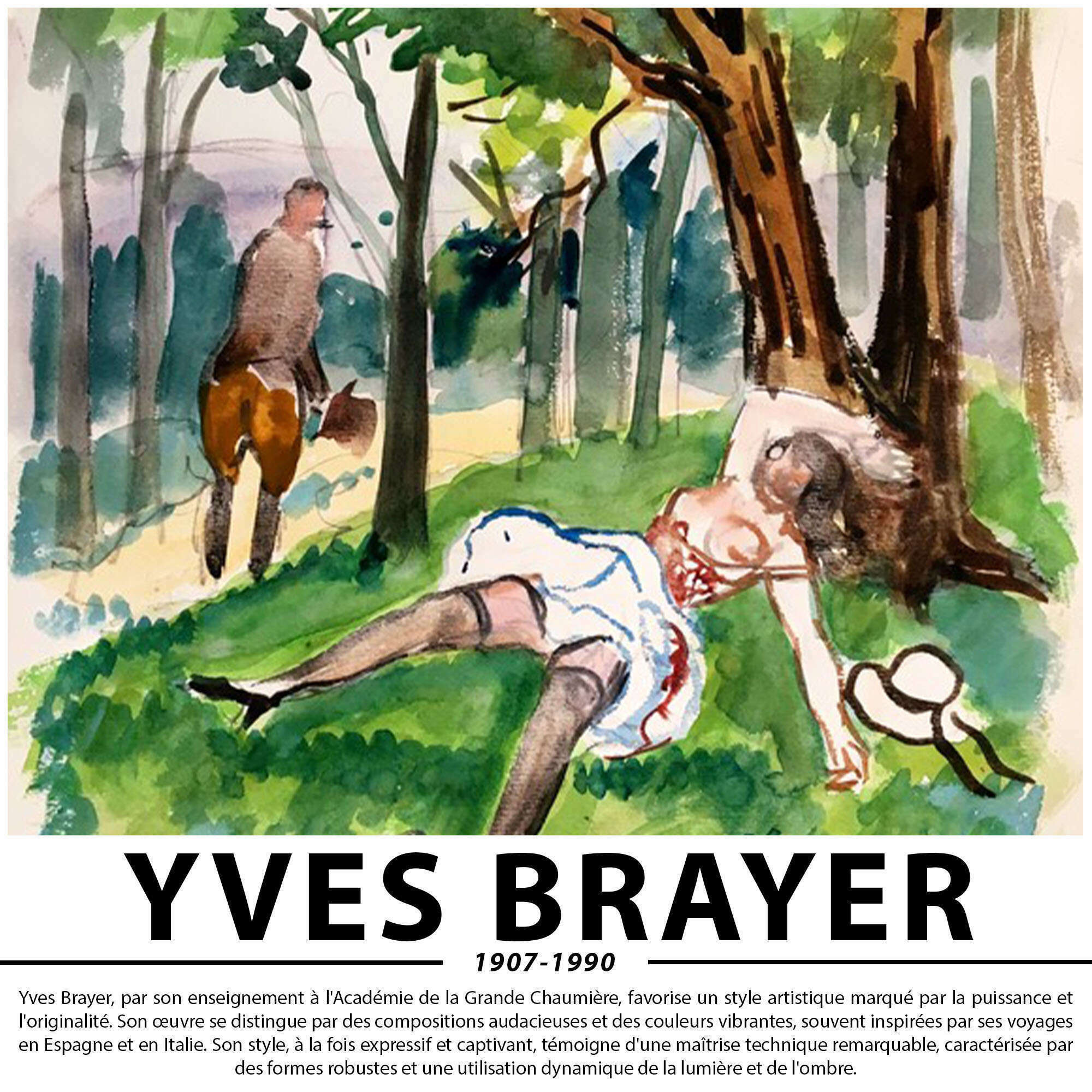
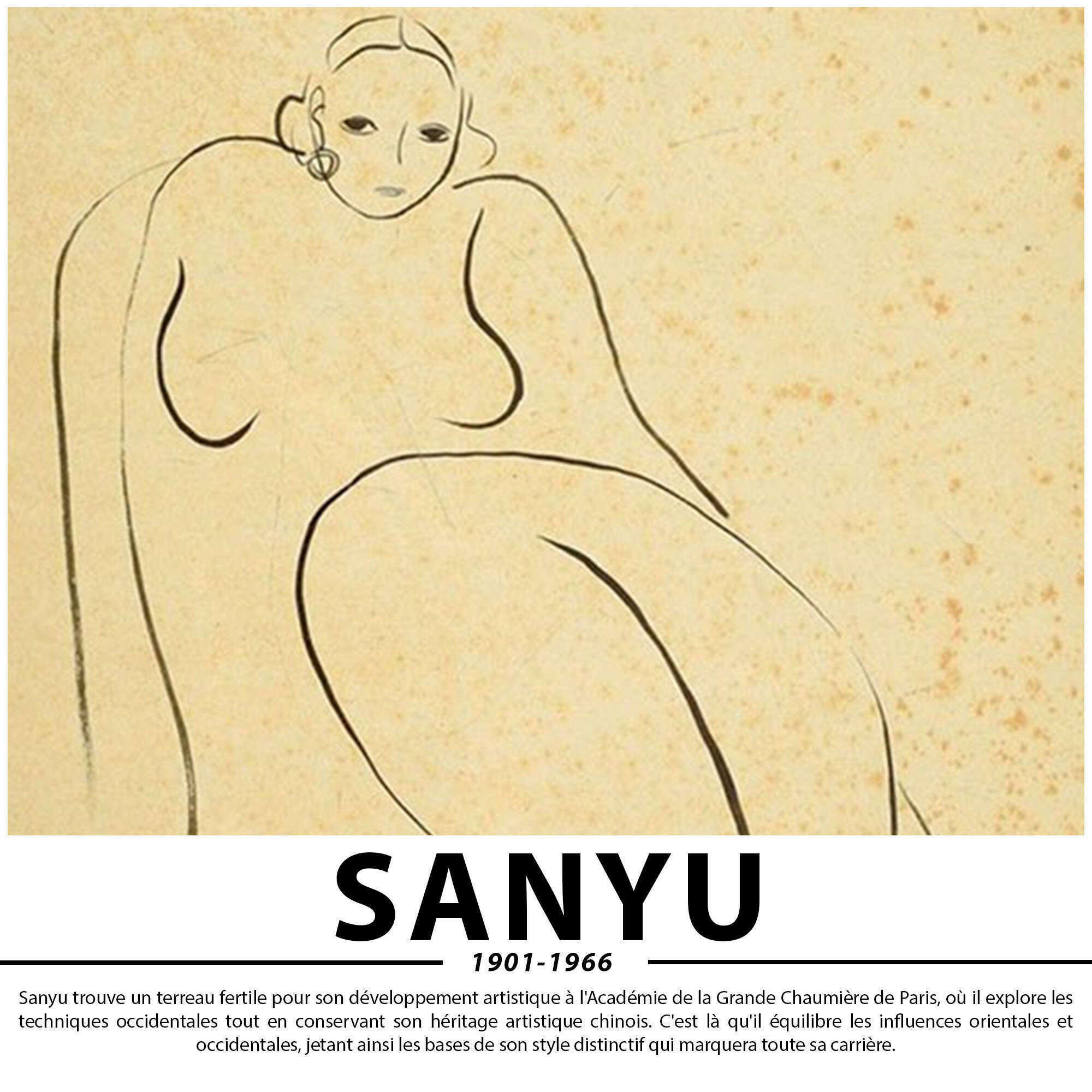
The most famous painters, as well as the most secretive art lovers, will come to the Grande Chaumière to sit in this somewhat mysterious studio and practice their timeless art, primarily from live models: sketches, drawings, oil paintings, sculptures…: Chagall, Modigliani, Bourdelle, André Lhote, Foujita, Calder, Friesz, Krémègne, Lempicka, Fernand Léger, Louise Bourgeois, Joan Miró, Zao Wou-Ki, Chaïm Soutine, Zadkine, Paul Rebeyrolle…amongmany others (see our celebrity gallery here).
More than 120 years after its founding, La Grande Chaumière—which enjoys an excellent international reputation—is a private academy open to enthusiasts of drawing, painting, sculpture, and modeling of all ages, whether they have instructors or not. It isone of the last places in France to offer such a comprehensive range of artistic programs: open studios, classes, workshops, and more.

"On the Terrace at Versailles," by Martha Stettler
They made history...
Mont-Parnasse, a global hub for the arts
Artists began settling in La Ruche (Rue Flaguière) as early as the beginning of the 20th century. By 1914, Jewish artists from Europe were seeking refuge there, fleeing persecution, pogroms, and censorship.
Mont-Parnasse became a breeding ground for artists; their names would go down in history: Chagall, Modigliani, Vlaminck, Derain, Bourdelle, Lhote, Foujita, Calder, Van Dongen, Friesz, Krémègne, Lempicka, Orloff, Léger, Bourgeois, as well as writers such as Apollinaire, Max Jacob, Fargue, Aragon, Triolet, Kessel, Mayakovsky, Cendrars, and later Prévert; musicians such as Satie, Milhaud, and Poulenc; photographers such as Brassaï and Man Ray...
Montparnasse is an affordable neighborhood, compared to Montmartre, which has become too expensive for artists.
There’s plenty of room, and for several centuries now, dances have been held there, drawing in young people.
The metro, running from Montmartre to Montparnasse, made it possible for the middle class to settle there and find work in the many local factories.
In Montparnasse, you can get a drink for just a few cents. Artists say they appreciate the cafés that welcome them in the evening and stay open until dawn.
(...)
They attended the Académie de la Grande Chaumière...